

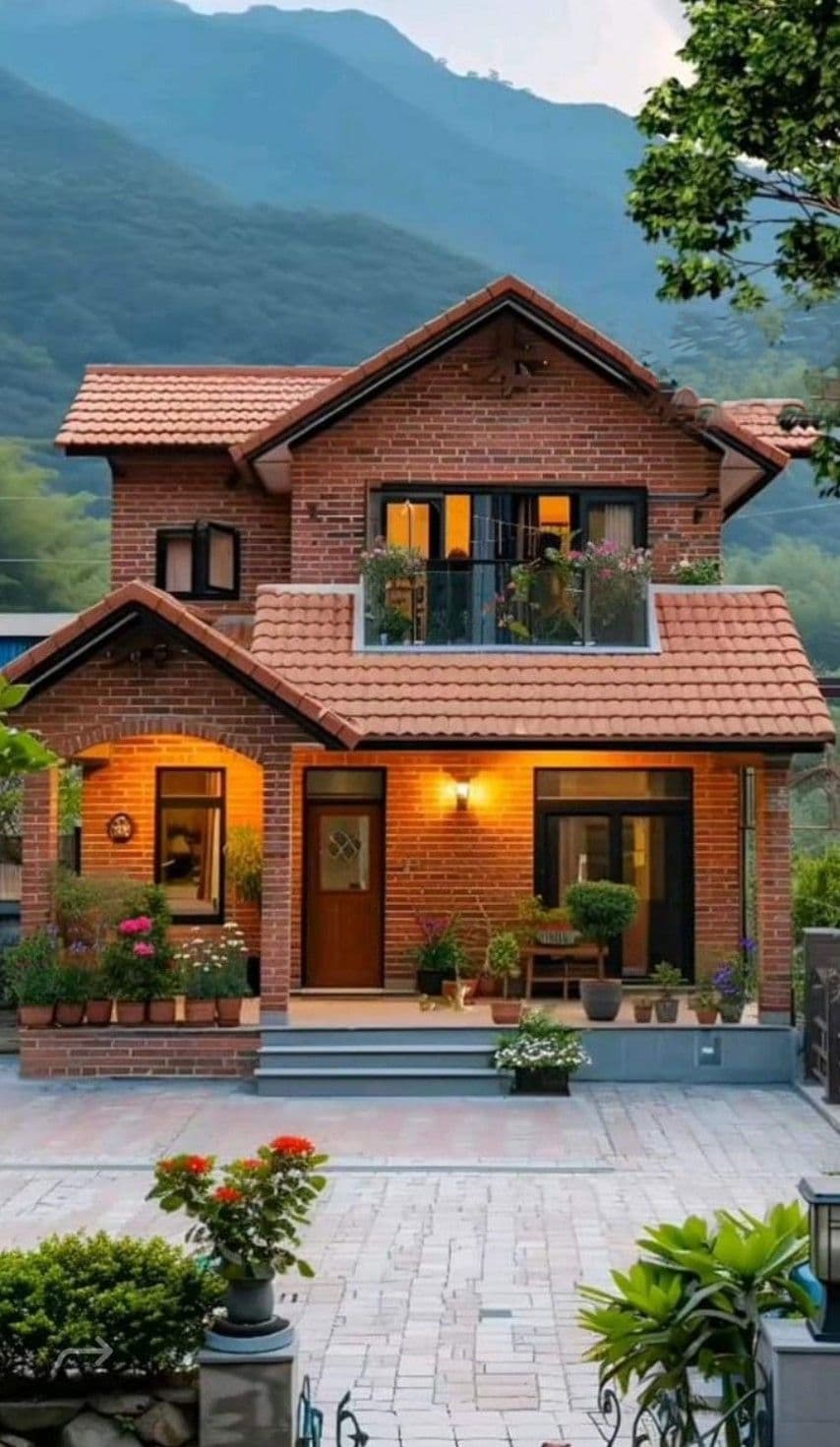
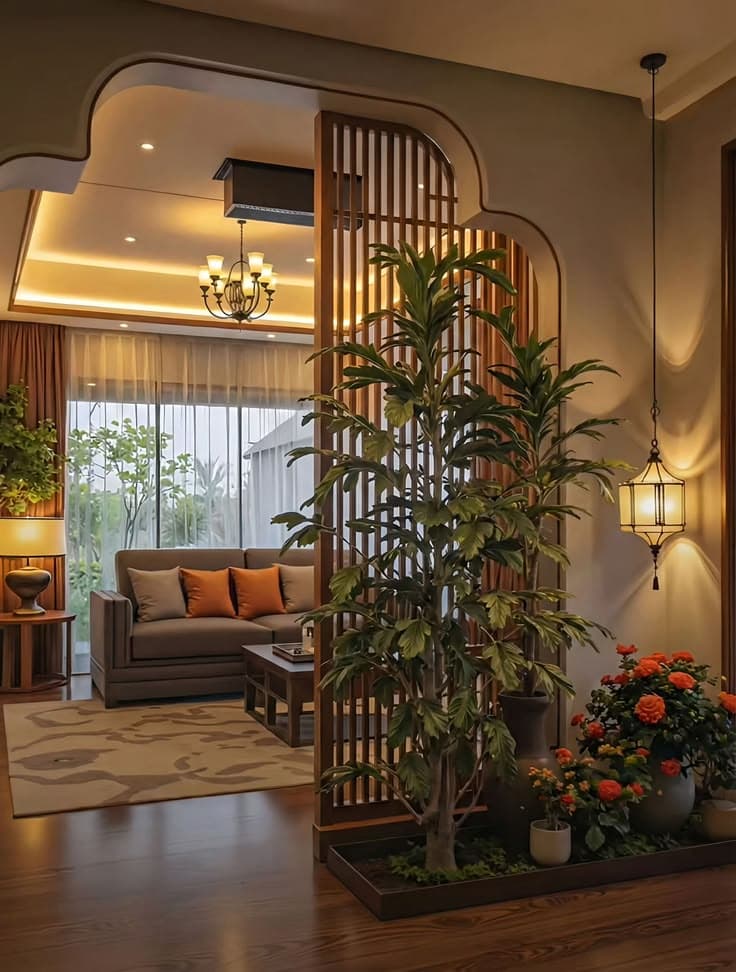
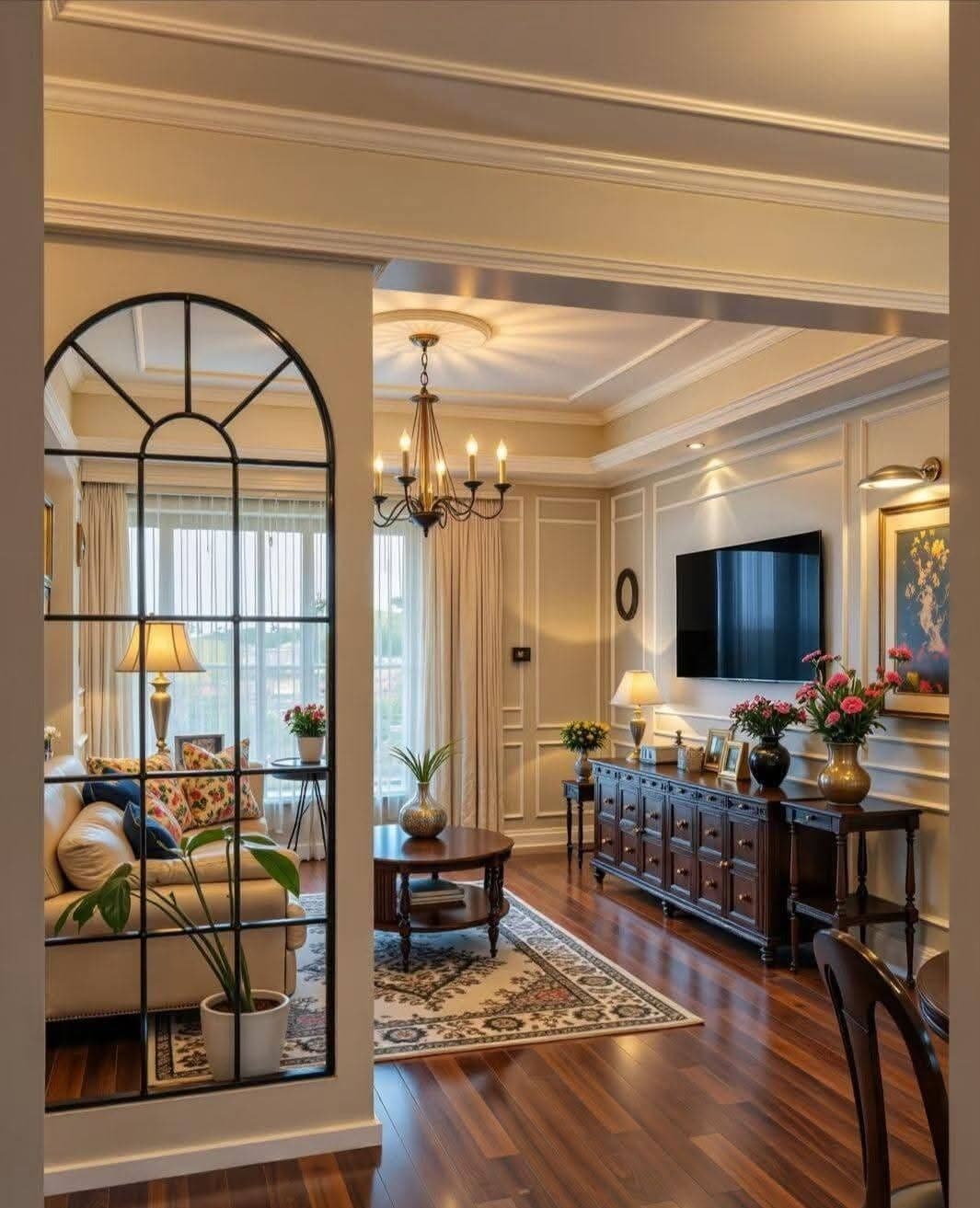
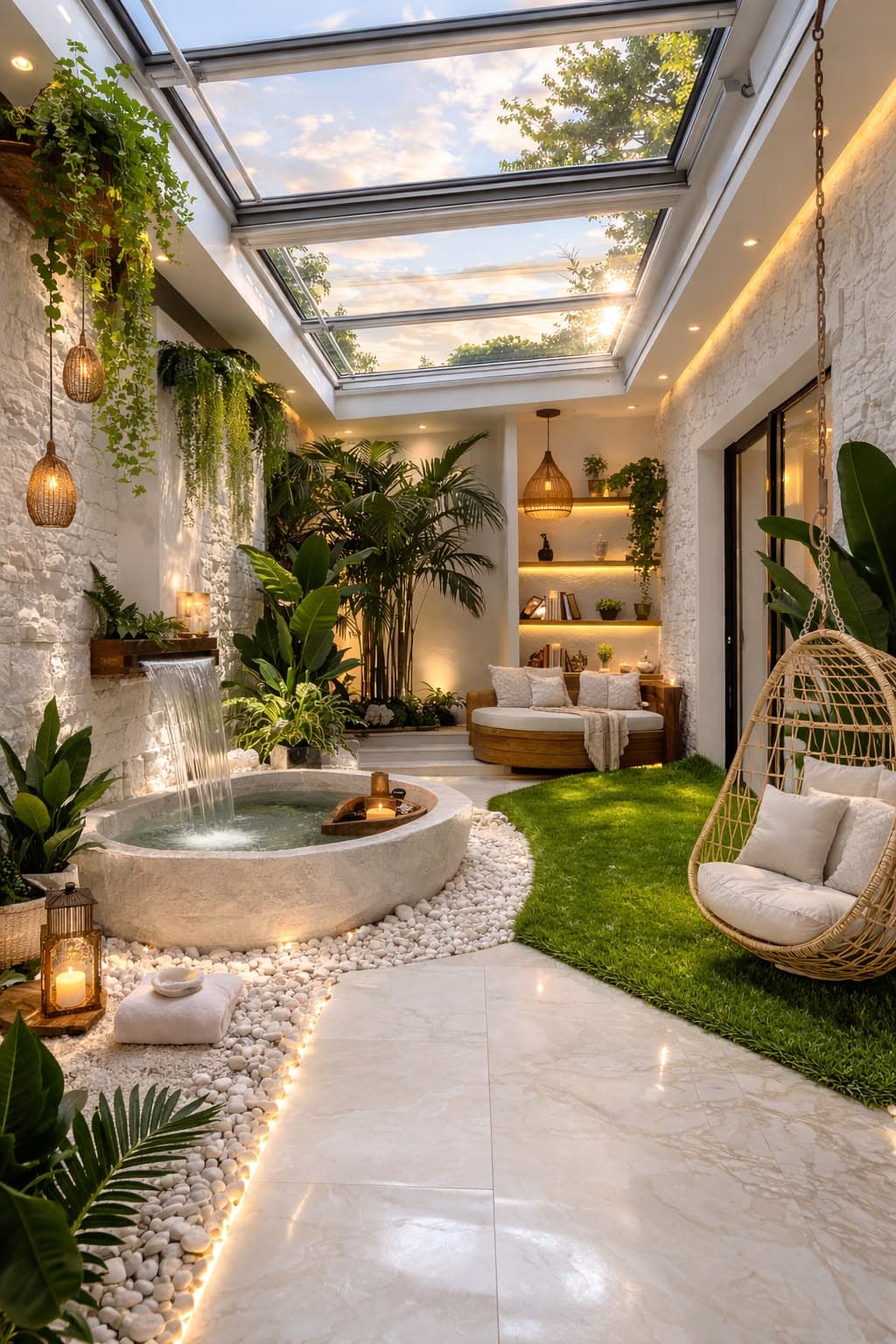
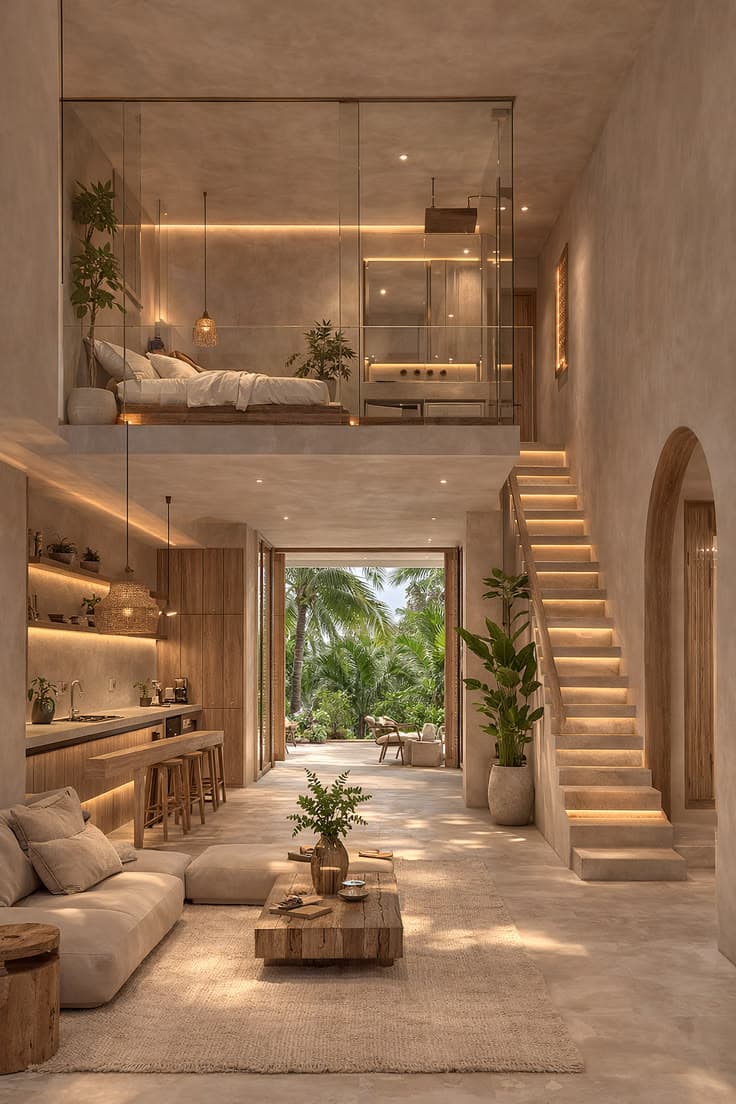
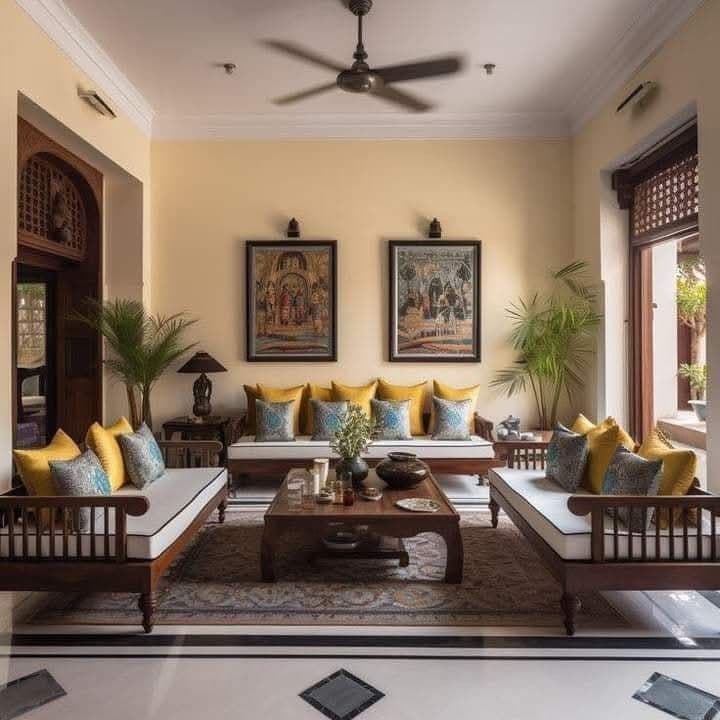
Architecture is not just about constructing buildings it’s about shaping experiences. The spaces we live and work in have a profound impact on our comfort, productivity, and overall well-being. In today’s fast-paced world, thoughtful architectural design plays a crucial role in enhancing everyday living by creating environments that are functional, inspiring, and sustainable.
1. Creating Comfortable Living Environments
Well-designed architecture prioritizes human comfort. From proper ventilation and natural lighting to efficient layouts, every element is carefully planned to support daily activities. A thoughtfully designed home feels open, balanced, and welcoming making everyday life more enjoyable.
2. Enhancing Mental and Emotional Well-Being
The design of a space can influence how we feel. Bright, airy interiors with access to natural elements help reduce stress and improve mood. Incorporating greenery, open spaces, and calming design elements creates a sense of peace and connection with the environment.
3. Improving Functionality and Efficiency
Architecture brings structure to everyday life. Smart layouts, multi-functional spaces, and efficient circulation ensure that homes and workplaces operate smoothly. Whether it’s a compact apartment or a large commercial space, good design maximizes usability without compromising aesthetics.
4. Reflecting Identity and Lifestyle
Every space tells a story. Architecture allows individuals and businesses to express their identity through design. From modern minimalism to bold, expressive structures, the design of a space reflects personality, values, and lifestyle choices.
5. Encouraging Sustainable Living
Modern architecture plays a key role in promoting sustainability. Energy-efficient designs, eco-friendly materials, and smart resource management reduce environmental impact while lowering long-term costs. Sustainable spaces are not just a trend they are the future of responsible living.
6. Elevating Everyday Experiences
Beyond functionality, architecture adds beauty and meaning to daily life. Well-designed spaces inspire creativity, improve productivity, and create a sense of pride. From the way light enters a room to how spaces flow together, every detail contributes to a richer living experience.
Final Thoughts
Architecture goes far beyond physical structures it shapes how we live, feel, and connect with our surroundings. By blending design, functionality, and sustainability, it transforms ordinary spaces into meaningful environments that enhance everyday living.
At Maina Group, we believe every space should inspire. Through innovative design and precise execution, we create homes and commercial environments that elevate lifestyles and redefine modern living in Nepal.
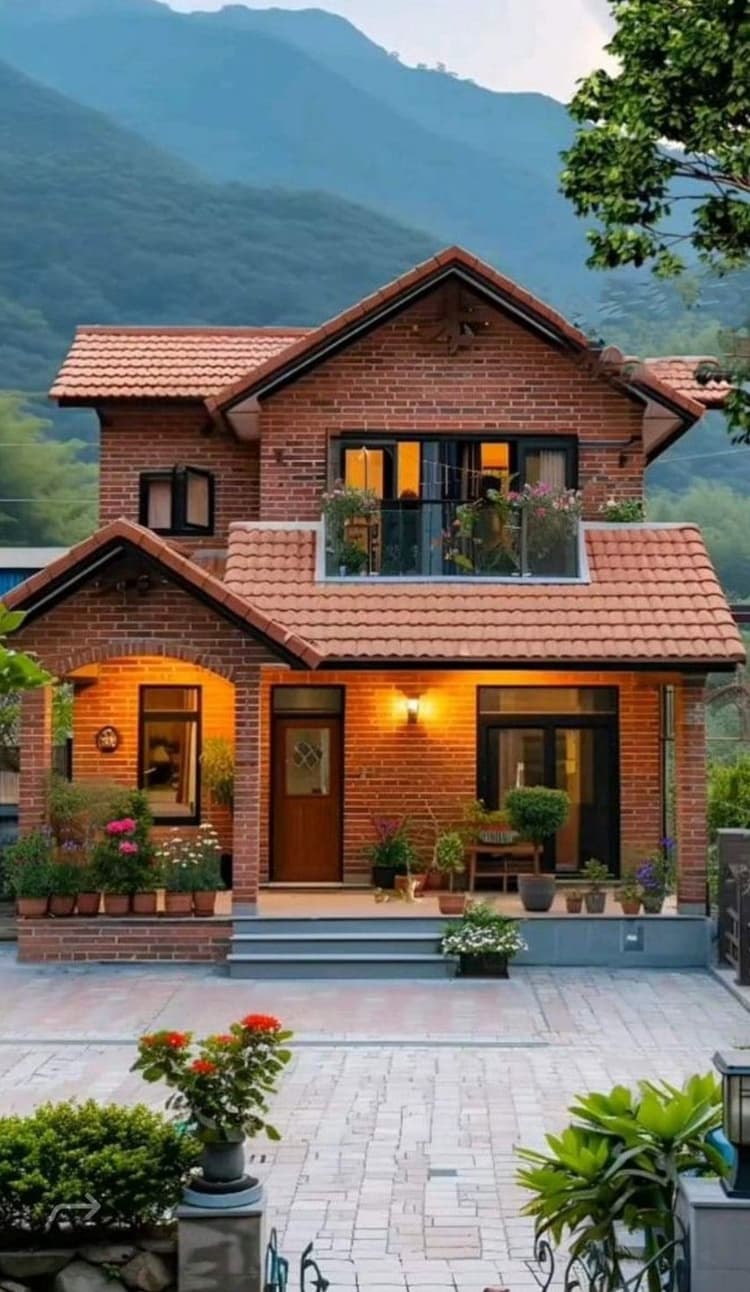
The Role of Architecture in Enhancing Everyday Living
Architecture is not just about constructing buildings it’s about shaping experiences. The spaces we live and work in have a profound impact on our comfort, productivity, and overall well-being. In today’s fast-paced world, thoughtful architectural design plays a crucial role in enhancing everyday living by creating environments that are functional, inspiring, and sustainable.
1. Creating Comfortable Living Environments
Well-designed architecture prioritizes human comfort. From proper ventilation and natural lighting to efficient layouts, every element is carefully planned to support daily activities. A thoughtfully designed home feels open, balanced, and welcoming making everyday life more enjoyable.
2. Enhancing Mental and Emotional Well-Being
The design of a space can influence how we feel. Bright, airy interiors with access to natural elements help reduce stress and improve mood. Incorporating greenery, open spaces, and calming design elements creates a sense of peace and connection with the environment.
3. Improving Functionality and Efficiency
Architecture brings structure to everyday life. Smart layouts, multi-functional spaces, and efficient circulation ensure that homes and workplaces operate smoothly. Whether it’s a compact apartment or a large commercial space, good design maximizes usability without compromising aesthetics.
4. Reflecting Identity and Lifestyle
Every space tells a story. Architecture allows individuals and businesses to express their identity through design. From modern minimalism to bold, expressive structures, the design of a space reflects personality, values, and lifestyle choices.
5. Encouraging Sustainable Living
Modern architecture plays a key role in promoting sustainability. Energy-efficient designs, eco-friendly materials, and smart resource management reduce environmental impact while lowering long-term costs. Sustainable spaces are not just a trend they are the future of responsible living.
6. Elevating Everyday Experiences
Beyond functionality, architecture adds beauty and meaning to daily life. Well-designed spaces inspire creativity, improve productivity, and create a sense of pride. From the way light enters a room to how spaces flow together, every detail contributes to a richer living experience.
Final Thoughts
Architecture goes far beyond physical structures it shapes how we live, feel, and connect with our surroundings. By blending design, functionality, and sustainability, it transforms ordinary spaces into meaningful environments that enhance everyday living.
At Maina Group, we believe every space should inspire. Through innovative design and precise execution, we create homes and commercial environments that elevate lifestyles and redefine modern living in Nepal.
Read More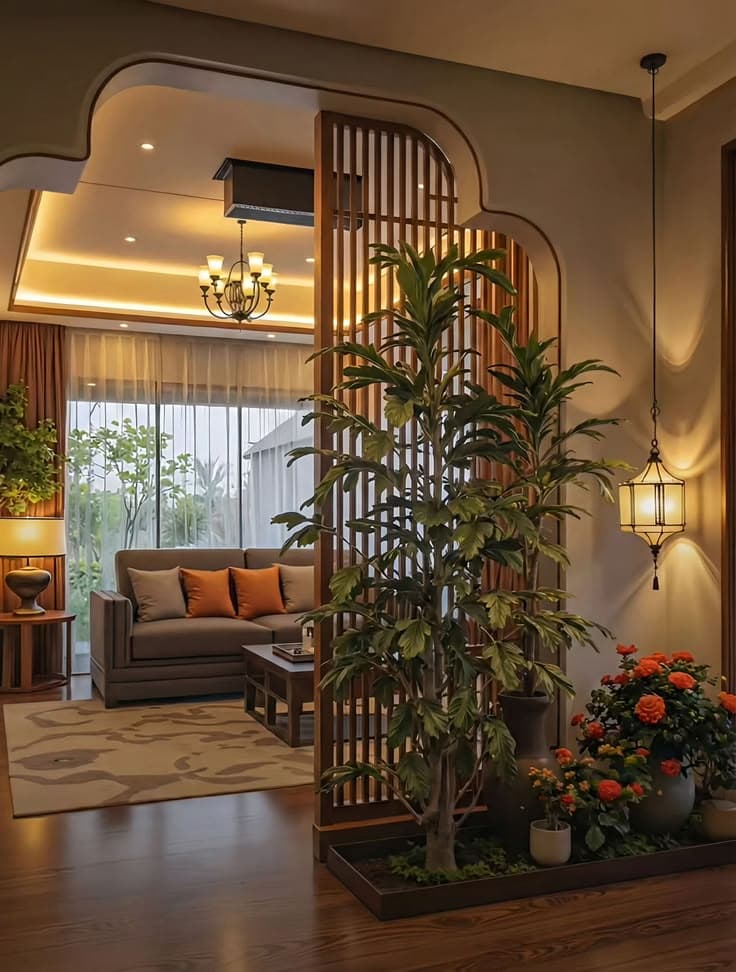
Modern Home Designs That Blend Style and Functionality
In today’s fast-evolving world, a home is more than just a place to live it’s a reflection of lifestyle, personality, and comfort. Modern home design focuses on creating spaces that are not only visually appealing but also highly functional. In Nepal’s growing urban environment, the demand for smart, efficient, and stylish homes is higher than ever.
Here’s how modern home design successfully blends style with functionality to enhance everyday living.
1. Open Floor Plans for Flexible Living
Modern homes embrace open layouts that connect living, dining, and kitchen areas. This design:
- Maximizes space and natural light
- Encourages better interaction among family members
- Creates a spacious and airy feel
Open floor plans are perfect for both small and large homes, offering flexibility and a contemporary aesthetic.
2. Smart Use of Space
With increasing urban density, efficient space utilization is essential. Modern homes incorporate:
- Built-in storage solutions
- Multi-functional furniture
- Compact yet practical layouts
Every corner is designed with purpose, ensuring no space is wasted while maintaining a clean and organized look.
3. Natural Light and Ventilation
Large windows, glass doors, and open balconies are key features of modern design. They:
- Enhance natural lighting
- Improve air circulation
- Reduce energy consumption
A well-lit and ventilated home promotes comfort, health, and a positive atmosphere.
4. Minimalist Aesthetic
Modern design follows the principle of “less is more.” Clean lines, neutral color palettes, and uncluttered spaces create a sophisticated and timeless look. Minimalism not only enhances visual appeal but also makes maintenance easier.
5. Integration of Technology
Smart homes are becoming increasingly popular. Features like:
- Automated lighting and security systems
- Energy-efficient appliances
- Smart climate control
These technologies improve convenience, safety, and energy efficiency, making everyday living more seamless.
6. Sustainable and Eco-Friendly Design
Modern homes prioritize sustainability by incorporating:
- Energy-efficient materials
- Solar panels and water-saving systems
- Green spaces and eco-conscious layouts
Sustainable design not only benefits the environment but also reduces long-term costs for homeowners.
Final Thoughts
Modern home design is all about balance combining aesthetics with practicality to create spaces that are both beautiful and livable. By focusing on open layouts, smart space usage, natural elements, and innovative technology, today’s homes offer a perfect blend of style and functionality.
At Maina Group, we bring modern architectural concepts to life, designing homes that reflect elegance, efficiency, and comfort perfectly suited for contemporary living in Nepal.
Read More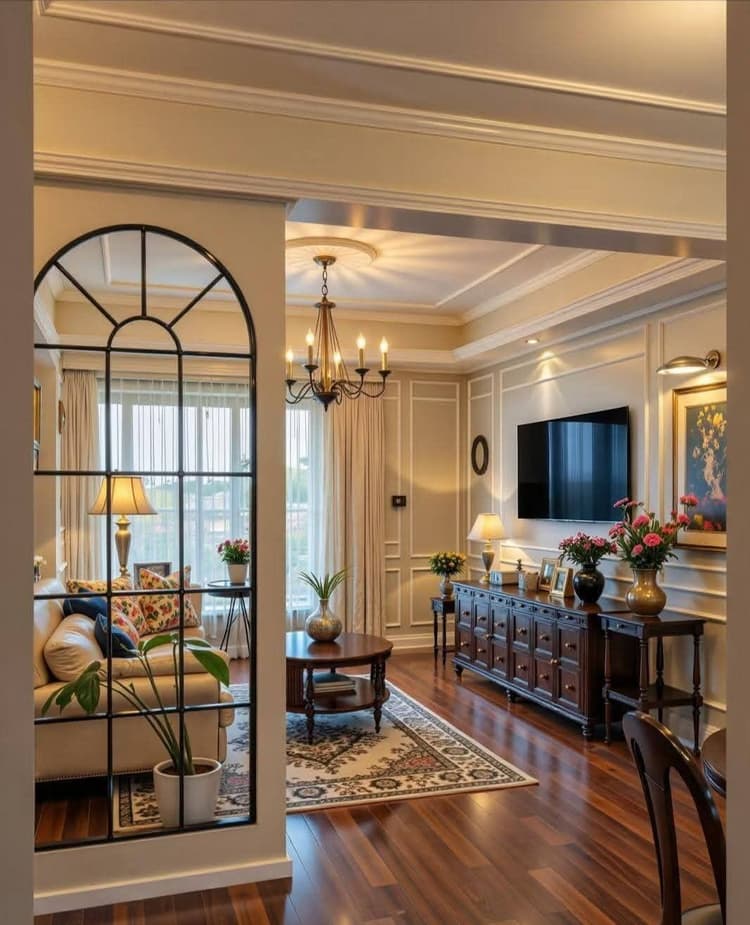
Understanding Property Valuation: A Guide for Buyers and Investors
Property valuation is a crucial step in any real estate transaction. Whether you are buying, selling, or investing, understanding how a property’s value is determined helps you make informed decisions and avoid overpaying or undervaluing an asset. In Nepal’s evolving real estate market, accurate valuation is key to securing a smart and profitable investment.
1. What is Property Valuation?
Property valuation is the process of determining the current market value of a property based on various factors such as location, size, condition, and market demand. It provides a fair estimate of what a property is worth in the current market conditions.
2. Key Factors That Influence Property Value
Location
The most important factor in property valuation. Properties in prime areas with good infrastructure, accessibility, and nearby amenities tend to have higher value.
Property Size and Layout
Larger properties or those with efficient layouts and usable space generally command higher prices.
Condition and Quality
Well-maintained properties with quality construction and modern design features are valued higher than older or poorly maintained ones.
Market Demand and Trends
Real estate prices fluctuate based on demand and supply. High demand in a specific area can significantly increase property value.
Legal Status
Clear ownership, proper documentation, and compliance with regulations positively impact a property’s valuation.
3. Methods of Property Valuation
Comparative Market Analysis (CMA)
This method compares similar properties in the same area that have recently been sold to estimate value.
Income Approach
Used mainly for commercial properties, this method evaluates value based on the income the property can generate.
Cost Approach
This calculates the value based on the cost of land plus construction, minus depreciation.
4. Why Property Valuation Matters
- Helps buyers pay a fair price
- Assists sellers in setting a competitive price
- Guides investors in assessing ROI potential
- Supports loan approvals and financial planning
Accurate valuation ensures transparency and confidence in every real estate transaction.
5. Tips for Buyers and Investors
- Always verify market prices in the area
- Consult real estate professionals for accurate insights
- Inspect the property thoroughly before making decisions
- Consider long-term growth potential, not just current price
Final Thoughts
Understanding property valuation empowers buyers and investors to make smarter decisions. By evaluating key factors and using the right methods, you can ensure that your investment is both fair and profitable.
At Maina Group, we provide expert guidance and market insights to help you assess property value accurately and invest with confidence in Nepal’s growing real estate market.
Read MoreThe Role of Architecture in Enhancing Everyday Living
Architecture is not just about constructing buildings it’s about shaping experiences. The spaces we live and work in have a profound impact on our comfort, productivity, and overall well-being. In today’s fast-paced world, thoughtful architectural design plays a crucial role in enhancing everyday living by creating environments that are functional, inspiring, and sustainable.
1. Creating Comfortable Living Environments
Well-designed architecture prioritizes human comfort. From proper ventilation and natural lighting to efficient layouts, every element is carefully planned to support daily activities. A thoughtfully designed home feels open, balanced, and welcoming making everyday life more enjoyable.
2. Enhancing Mental and Emotional Well-Being
The design of a space can influence how we feel. Bright, airy interiors with access to natural elements help reduce stress and improve mood. Incorporating greenery, open spaces, and calming design elements creates a sense of peace and connection with the environment.
3. Improving Functionality and Efficiency
Architecture brings structure to everyday life. Smart layouts, multi-functional spaces, and efficient circulation ensure that homes and workplaces operate smoothly. Whether it’s a compact apartment or a large commercial space, good design maximizes usability without compromising aesthetics.
4. Reflecting Identity and Lifestyle
Every space tells a story. Architecture allows individuals and businesses to express their identity through design. From modern minimalism to bold, expressive structures, the design of a space reflects personality, values, and lifestyle choices.
5. Encouraging Sustainable Living
Modern architecture plays a key role in promoting sustainability. Energy-efficient designs, eco-friendly materials, and smart resource management reduce environmental impact while lowering long-term costs. Sustainable spaces are not just a trend they are the future of responsible living.
6. Elevating Everyday Experiences
Beyond functionality, architecture adds beauty and meaning to daily life. Well-designed spaces inspire creativity, improve productivity, and create a sense of pride. From the way light enters a room to how spaces flow together, every detail contributes to a richer living experience.
Final Thoughts
Architecture goes far beyond physical structures it shapes how we live, feel, and connect with our surroundings. By blending design, functionality, and sustainability, it transforms ordinary spaces into meaningful environments that enhance everyday living.
At Maina Group, we believe every space should inspire. Through innovative design and precise execution, we create homes and commercial environments that elevate lifestyles and redefine modern living in Nepal.
Read MoreModern Home Designs That Blend Style and Functionality
In today’s fast-evolving world, a home is more than just a place to live it’s a reflection of lifestyle, personality, and comfort. Modern home design focuses on creating spaces that are not only visually appealing but also highly functional. In Nepal’s growing urban environment, the demand for smart, efficient, and stylish homes is higher than ever.
Here’s how modern home design successfully blends style with functionality to enhance everyday living.
1. Open Floor Plans for Flexible Living
Modern homes embrace open layouts that connect living, dining, and kitchen areas. This design:
- Maximizes space and natural light
- Encourages better interaction among family members
- Creates a spacious and airy feel
Open floor plans are perfect for both small and large homes, offering flexibility and a contemporary aesthetic.
2. Smart Use of Space
With increasing urban density, efficient space utilization is essential. Modern homes incorporate:
- Built-in storage solutions
- Multi-functional furniture
- Compact yet practical layouts
Every corner is designed with purpose, ensuring no space is wasted while maintaining a clean and organized look.
3. Natural Light and Ventilation
Large windows, glass doors, and open balconies are key features of modern design. They:
- Enhance natural lighting
- Improve air circulation
- Reduce energy consumption
A well-lit and ventilated home promotes comfort, health, and a positive atmosphere.
4. Minimalist Aesthetic
Modern design follows the principle of “less is more.” Clean lines, neutral color palettes, and uncluttered spaces create a sophisticated and timeless look. Minimalism not only enhances visual appeal but also makes maintenance easier.
5. Integration of Technology
Smart homes are becoming increasingly popular. Features like:
- Automated lighting and security systems
- Energy-efficient appliances
- Smart climate control
These technologies improve convenience, safety, and energy efficiency, making everyday living more seamless.
6. Sustainable and Eco-Friendly Design
Modern homes prioritize sustainability by incorporating:
- Energy-efficient materials
- Solar panels and water-saving systems
- Green spaces and eco-conscious layouts
Sustainable design not only benefits the environment but also reduces long-term costs for homeowners.
Final Thoughts
Modern home design is all about balance combining aesthetics with practicality to create spaces that are both beautiful and livable. By focusing on open layouts, smart space usage, natural elements, and innovative technology, today’s homes offer a perfect blend of style and functionality.
At Maina Group, we bring modern architectural concepts to life, designing homes that reflect elegance, efficiency, and comfort perfectly suited for contemporary living in Nepal.
Read MoreUnderstanding Property Valuation: A Guide for Buyers and Investors
Property valuation is a crucial step in any real estate transaction. Whether you are buying, selling, or investing, understanding how a property’s value is determined helps you make informed decisions and avoid overpaying or undervaluing an asset. In Nepal’s evolving real estate market, accurate valuation is key to securing a smart and profitable investment.
1. What is Property Valuation?
Property valuation is the process of determining the current market value of a property based on various factors such as location, size, condition, and market demand. It provides a fair estimate of what a property is worth in the current market conditions.
2. Key Factors That Influence Property Value
Location
The most important factor in property valuation. Properties in prime areas with good infrastructure, accessibility, and nearby amenities tend to have higher value.
Property Size and Layout
Larger properties or those with efficient layouts and usable space generally command higher prices.
Condition and Quality
Well-maintained properties with quality construction and modern design features are valued higher than older or poorly maintained ones.
Market Demand and Trends
Real estate prices fluctuate based on demand and supply. High demand in a specific area can significantly increase property value.
Legal Status
Clear ownership, proper documentation, and compliance with regulations positively impact a property’s valuation.
3. Methods of Property Valuation
Comparative Market Analysis (CMA)
This method compares similar properties in the same area that have recently been sold to estimate value.
Income Approach
Used mainly for commercial properties, this method evaluates value based on the income the property can generate.
Cost Approach
This calculates the value based on the cost of land plus construction, minus depreciation.
4. Why Property Valuation Matters
- Helps buyers pay a fair price
- Assists sellers in setting a competitive price
- Guides investors in assessing ROI potential
- Supports loan approvals and financial planning
Accurate valuation ensures transparency and confidence in every real estate transaction.
5. Tips for Buyers and Investors
- Always verify market prices in the area
- Consult real estate professionals for accurate insights
- Inspect the property thoroughly before making decisions
- Consider long-term growth potential, not just current price
Final Thoughts
Understanding property valuation empowers buyers and investors to make smarter decisions. By evaluating key factors and using the right methods, you can ensure that your investment is both fair and profitable.
At Maina Group, we provide expert guidance and market insights to help you assess property value accurately and invest with confidence in Nepal’s growing real estate market.
Read More